Toilet Clog Removal
Clogged Toilet Repair in Eau Claire, WI
Stop repeated flushing and get help with the blockage. Get a Free Estimate
Toilet Clog Removal
Stop repeated flushing and get help with the blockage. Get a Free Estimate
A clogged toilet demands attention quickly. Water may rise toward the rim, the bowl may drain slowly, or the toilet may refuse to clear even after using a plunger. Drain Cleaning Services Eau Claire helps customers investigate toilet drainage problems throughout Eau Claire and nearby Wisconsin communities.
Some toilet clogs are caused by an excess of paper or waste inside the fixture. Others involve wipes, hygiene products, toys, or obstructions farther down the drainage line. When repeated clogs occur or another fixture reacts when the toilet is flushed, the problem may not be limited to the toilet itself. We focus on identifying the likely location before choosing a removal method.
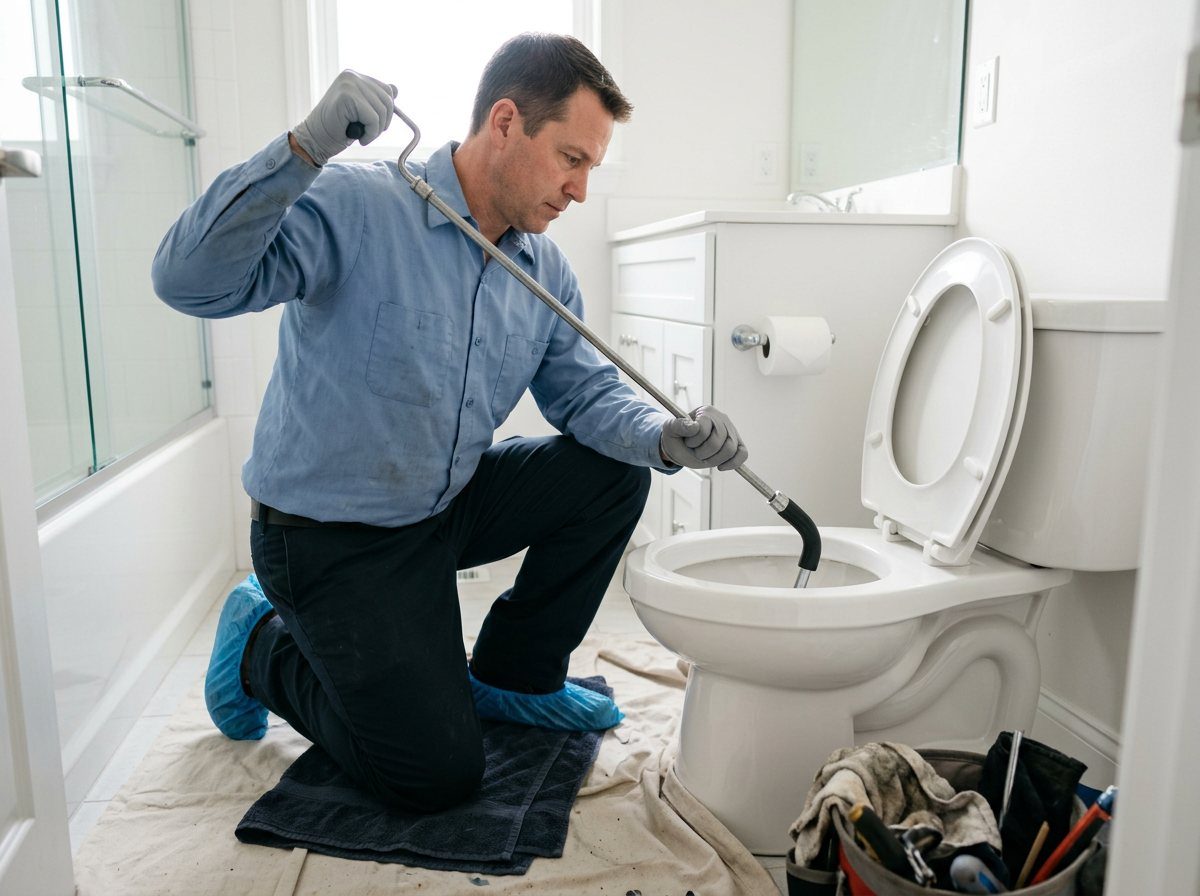
## When a Toilet Is Close to Overflowing If the water level rises after flushing, do not flush again. Repeated flushing can add more water and cause an overflow. If necessary and safe to do so, close the toilet's water supply valve. Keep the surrounding floor clear of items that could be damaged. If wastewater has already spilled, avoid direct contact and protect children and pets from the area. A sewage backup may require cleaning and sanitation beyond removing the clog. ## Common Toilet Clog Causes Toilet paper usually breaks down in water, but excessive amounts can form a blockage, particularly when drainage is already restricted. Wipes labeled flushable may not break down quickly enough to pass through the system without problems. Hygiene products, paper towels, cotton products, and other solid objects should not be flushed. A toilet can also become repeatedly blocked because of a foreign object, a restriction in the connected drain, or an issue with the fixture's flushing performance. Distinguishing between these possibilities matters. ## Toilet Clog or Main Drain Problem? If only one toilet is affected, the restriction may be local to that fixture. If flushing causes water to appear in a nearby bathtub or shower, a shared drain line may be involved. Multiple slow fixtures, gurgling, or wastewater at a low floor drain can also suggest a problem beyond the toilet. We do not assume that every toilet blockage requires the same treatment. The symptoms and available drainage access help guide the cleaning approach.
Excess paper can become caught in the toilet trap or connected drain. A suitable clearing method depends on how firmly the obstruction is lodged and whether other material is involved.
Toys, wipes, hygiene products, and other objects can become stuck where a normal clearing attempt cannot remove them. Forcing an object deeper may make the problem harder to correct.
Repeated blockages may be related to fixture design, flushing performance, accumulated material, or a downstream restriction. A closer investigation can help identify the pattern.
A rising water level creates immediate concern. Stop flushing, limit additional water use where shared drainage may be involved, and arrange an assessment of the blockage.
When flushing a toilet affects a tub or shower, wastewater may be encountering a restriction in a shared branch or main line. The connected fixtures provide important clues.
We look at whether the problem is within the toilet or farther along the drainage piping.
We explain immediate steps to reduce the risk of water damage while the drain is blocked.
The presence of a hard object or signs of pipe damage can change the appropriate approach.
We consider recurring symptoms instead of assuming every repeat blockage is caused by toilet paper.
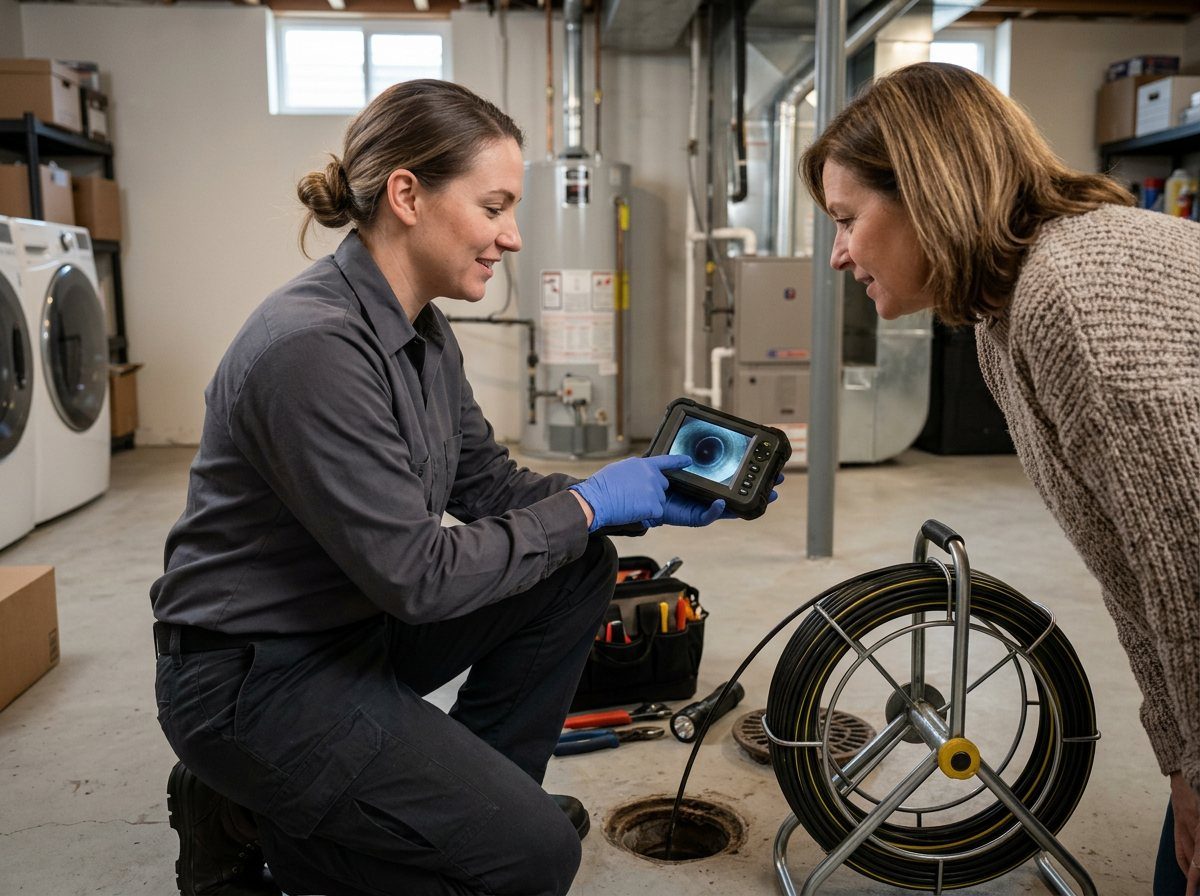
Describe your toilet clog and mention any other fixtures that are backing up.
Free — no obligations
We ask whether the bowl is overflowing, draining slowly, or affecting nearby fixtures.
We review the possibility of paper buildup, foreign objects, or a deeper line restriction.
The method depends on the obstruction and whether the fixture or connected pipe requires attention.
Where safe and practical, we check the toilet's drainage behavior after clearing.
If symptoms indicate a recurring or shared-line problem, we explain the options for investigating further.